
Netflix Buys Warner Bros., and Your Password Starts Costing More
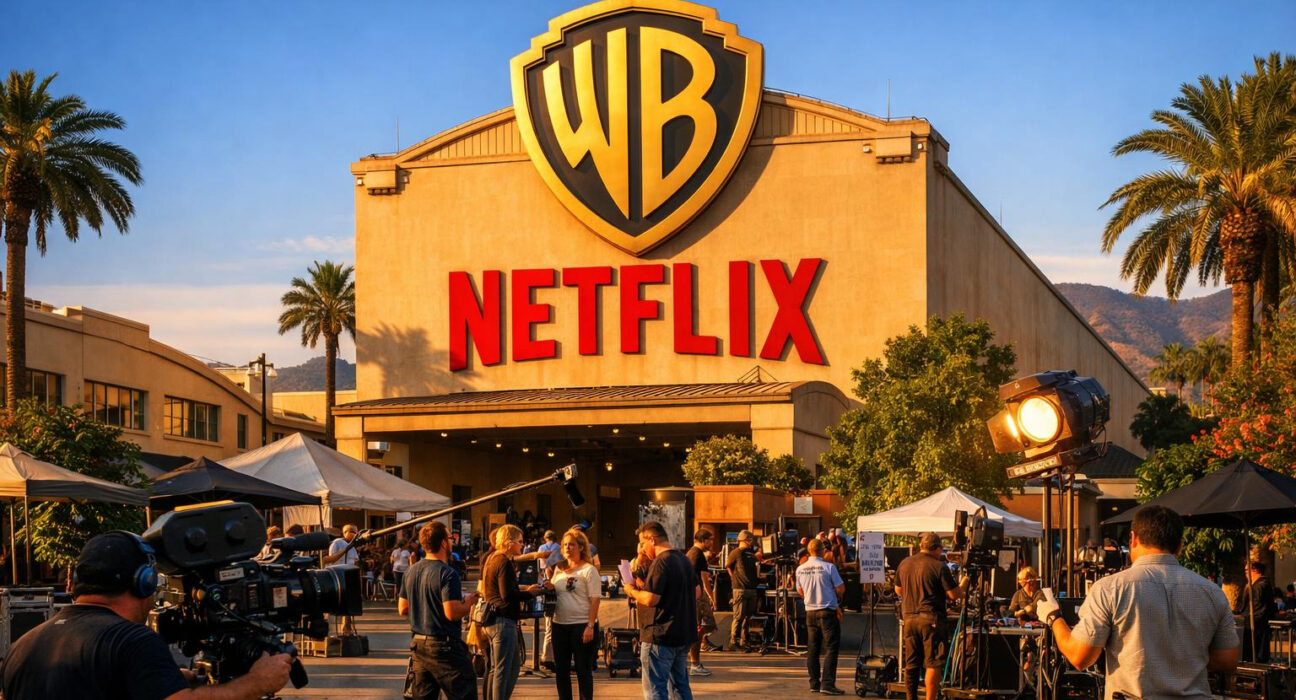
If Netflix were to acquire Warner Bros.—a sentence that still sounds like antitrust Mad Libs—the average subscriber wouldn’t need a press release to understand what it means. You’d understand it the next time you open the app and think, Huh, that’s a lot of Batman. And then, a month later, when your credit card notification hits.
Welcome to the Everything App™
On paper, this is the streaming executive fantasy. Netflix absorbs Warner Bros., and suddenly the platform isn’t just where content goes to find an audience—it’s where culture goes to live. DC superheroes, Harry Potter marathons, HBO’s former prestige pets, and a century of studio history all tucked neatly under one red “N.”
For viewers, it would feel like winning the streaming wars. Why juggle apps when Netflix has decided to become the mall, the multiplex, and the museum?
About that “win”
Of course, Netflix would not be making this purchase out of charity, curiosity, or love of cinema history. It would be making it because dominance is expensive and investors prefer it that way.
So yes, the price would go up. Slowly, politely, couched in language about “expanded value.” You’d squint at the email, sigh, and rationalize it because canceling another service technically puts you ahead. Netflix knows this. Netflix is counting on this.
Prestige meets the algorithm
Creatively, expect fewer surprises and more “strategic bets.” Warner’s iconic franchises plus Netflix’s data obsession equals a future where nothing is greenlit unless it can spawn three spinoffs, a limited series, and a podcast companion.
HBO’s once-sacred prestige brand? It would survive—probably—but as a flavor, not a philosophy.
The quiet downside
When one platform owns everything you like, it also owns your tolerance. Competition fades, prices float upward, and suddenly Netflix doesn’t need to ask what you want—it just needs to decide what you’ll accept.
This is usually the part where viewers realize that “simplification” and “consolidation” were never about convenience. They were about leverage.
And this is where people start looking elsewhere
Because when Netflix inevitably nudges its prices north—again—some viewers won’t cancel outright. They’ll just… supplement. Especially for nonfiction.
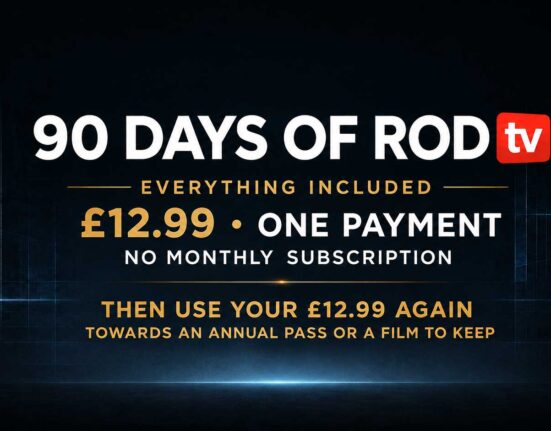
That’s where smaller, more cost-effective platforms like RODtv start to look appealing: focused libraries, documentary-first programming, and none of the cinematic-universe bloat. No capes. No wizarding phases. Just stories, facts, and a monthly fee that doesn’t feel like a loyalty test.
The bottom line:
A Netflix–Warner Bros. merger would feel great right up until it doesn’t. More content, fewer apps, higher prices, lower patience. And when the red “N” starts behaving less like a service and more like a utility, viewers will do what they always do—quietly look for smarter, cheaper alternatives.
Even if Netflix owns Hollywood, it doesn’t own everyone’s remote.