

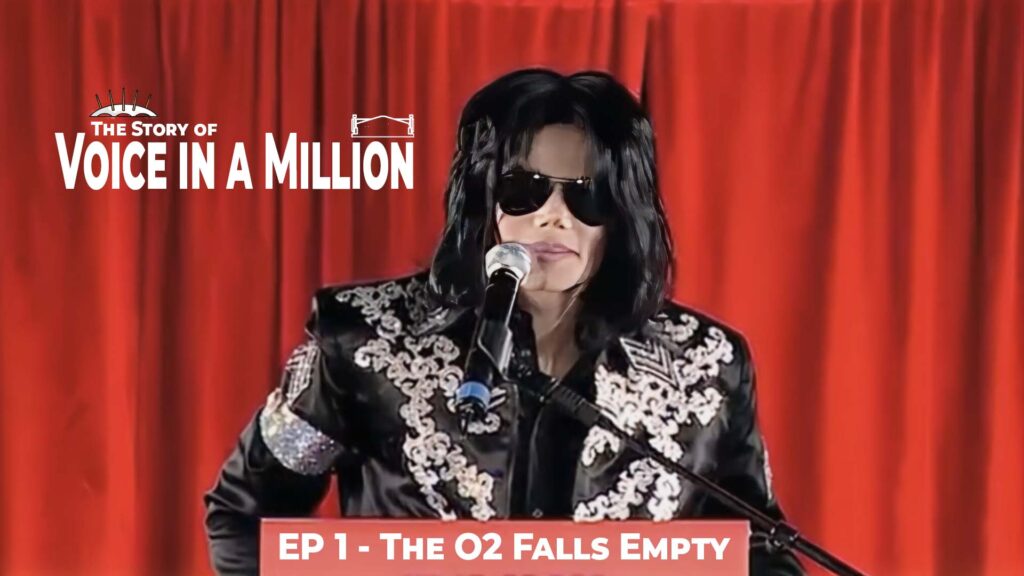
The Spark of an Idea (2009)
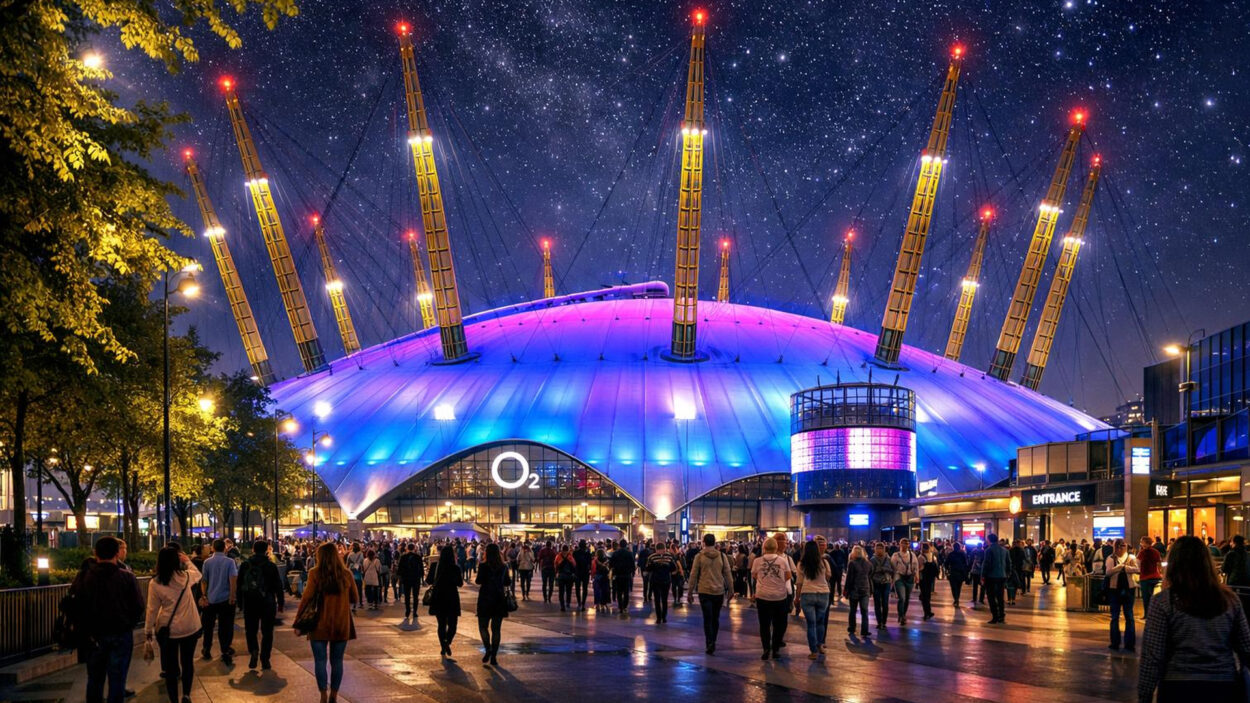
It was the summer of 2009, and the world was still reeling from the shocking death of pop icon Michael Jackson. For the O2 Arena in London, the loss of Jackson’s planned comeback tour left a significant gap in its calendar. Fifty empty nights were waiting to be filled, and the venue’s booker had a difficult task ahead. That’s when the phone call came through to the directors of Classic Pictures.
At the time, they had just helped to stage a sell-out performance of Rick Wakeman’s Six Wives of Henry VIII at Hampton Court Palace—a successful, albeit very different, production. Though interested in the idea of filling the arena with something meaningful, they weren’t keen on staging another rock concert or a flashy performance. But they did have something else on their minds—an idea that was rooted in their personal life, their family, and a growing desire to raise awareness about adoption.
In 2006, the couple had adopted a young boy from Tangier in Morocco. The experience of adoption had profoundly impacted their lives, opening their eyes to the challenges many children face across the world—children who are waiting for families, waiting for a home. They wanted to do something that would raise awareness, something that would be both moving and unifying.
After some thought, the idea began to form: what if they could stage a concert not with pop stars or celebrities, but with something even more powerful—children’s voices? Thousands of schoolchildren, together in one space, raising their voices not just to entertain but to send a message of hope, of family, and of love.
They envisioned a performance that would not only fill the O2 Arena but would also fill the hearts of those who attended. This concert would celebrate the power of music, yes—but more importantly, it would highlight the importance of adoption and the transformative power it can have in a child’s life.
From Concept to Commitment
An idea, however powerful, remains just that unless someone is willing to commit to it fully. For the directors of Classic Pictures, this was not a commercial calculation or a programming exercise designed to simply fill an empty date in an arena diary. It was a leap of faith. One of the directors had worked previously on a production for Young Voice concerts, so he knew the concept worked. Thousands of schoolchildren, drawn from across the country, brought together to perform as one unified choir. There was however, no template to follow, no proven audience, and no guarantee of success.
What there was, however, was belief.
Belief that children’s voices, when united, could be more compelling than any headline act. Belief that music could communicate something deeper than entertainment. And belief that a personal story — the adoption of a young boy from Tangier in 2006 — could resonate far beyond the walls of a single family home.
The early conversations were cautious. Schools had to be persuaded that this was not simply a one-off spectacle, but something meaningful, safe, and well-organised. Parents needed reassurance. Teachers needed resources. And the O2, one of the world’s most iconic arenas, needed confidence that the nights would not remain empty.
Slowly, momentum began to build.
Schools responded first. Headteachers and music coordinators recognised the opportunity immediately. For many children, this would be the first time they had ever sung outside their school hall. For some, it would be the first time they had ever set foot in London, let alone performed on a world-famous stage. The project offered something rare: inclusion without competition. There were no winners or losers. Every child who took part mattered equally.
This was not about perfection. It was about participation.
Finding the Voice
As rehearsals began in schools across the country, something remarkable happened. Children who were usually quiet in the classroom found confidence in song. Children who struggled academically discovered a place where they could shine. Music became a shared language — one that transcended background, ability, and circumstance.
The repertoire was carefully chosen. Songs needed to be accessible, uplifting, and emotionally resonant. Lyrics mattered. Messages mattered. The music had to be something children could own, not just perform. Over time, original songs became central to the project, written specifically to reflect themes of belonging, family, hope, and togetherness.
At the heart of it all was the idea that every child deserves to be heard.
This philosophy mirrored the deeper purpose behind the event. Adoption, for many, remains a misunderstood subject. It is often discussed in hushed tones or framed through complexity and bureaucracy. Voice in a Million approached it differently. It did not lecture. It did not campaign aggressively. Instead, it created space for empathy — allowing audiences to feel rather than be told.
The children were not there to explain adoption. They were there to embody its core message: that love, care, and belonging can change lives.
The First Night
When the first Voice in a Million concert finally arrived, there was a palpable sense of anticipation inside the O2 Arena. From early morning, coaches began to arrive, each carrying children buzzing with excitement. Matching t-shirts, nervous smiles, and a sea of teachers armed with clipboards filled the concourse.
Backstage, the scale of the undertaking became fully visible. Thousands of children, all needing to be in the right place at the right time. Yet amid the logistical complexity, there was an atmosphere of calm purpose. Everyone understood that this was something special.
As the lights dimmed and the first notes rang out, the arena transformed.
What followed was not just a concert, but an experience. Thousands of young voices rose together, filling the vast space with sound that was both powerful and pure. Parents wiped away tears. Teachers watched in pride. Audience members, many of whom had arrived out of curiosity, found themselves deeply moved.
There was no single star of the show — and that was the point.
The success of that first night exceeded expectations. Word spread quickly. Media coverage followed. More importantly, so did interest from schools eager to take part the following year. Voice in a Million had not only filled an empty night at the O2; it had found its purpose.
Becoming an Annual Event
What began as a bold experiment soon became a fixture. Year after year, Voice in a Million returned to an arena stage, growing in scale but never losing sight of its core values. Each concert built upon the last, refining the production while preserving its soul.
Following the London Olympics, the event moved in 2012 to the iconic Wembley Arena.
Celebrities began to lend their support. Well-known artists, presenters, and public figures appeared on stage, not as headline acts but as supporters — there to amplify the children, not overshadow them. Their presence brought visibility, but the spotlight always remained firmly on the choir.
Crucially, the event resisted the temptation to become a spectacle for spectacle’s sake. While production values increased, the emotional authenticity remained untouched. This was not about pyrotechnics or gimmicks. It was about thousands of children standing shoulder to shoulder, singing with conviction.
Teachers reported lasting effects back in their schools. Confidence gained on the arena stage carried into classrooms. Children spoke with pride about being part of something bigger than themselves. Many described it as the highlight of their school lives.
For some, it was life-changing.
Stories Behind the Songs
Behind the massed choir were thousands of individual stories. Children from urban schools and rural villages. Children from stable homes and children facing their own challenges. Some had personal connections to adoption or fostering; others were learning about it for the first time.
Parents of adopted children often spoke of how deeply the concerts resonated with them. Seeing adoption framed not as a problem to be solved, but as a story of love and possibility, was profoundly moving. For prospective adopters in the audience, Voice in a Million provided reassurance — a sense that adoption was not something to fear, but something to embrace.
The directors’ personal journeys remained quietly woven into the fabric of the event. Joanne, the director’s wife and performer in her own right, placed herself self at the centre of the narrative, their motivation was always present. The boy adopted from Tangier in 2006 had been the catalyst for everything that followed. From one family’s experience grew a platform that reached tens of thousands.
Weathering the Storm
Like so many live events, Voice in a Million faced its greatest challenge during the COVID-19 pandemic. For the first time since its inception, the arena fell silent. Schools closed. Choirs disbanded. The very act of singing together — the project’s foundation — was suddenly impossible.
Yet even then, the spirit of Voice in a Million endured.
Though concerts could not take place, the connection between schools, organisers, and families remained strong. The pause served not as an ending, but as a reminder of what had been built — and why it mattered. When restrictions finally lifted and plans resumed, the return felt deeply emotional.
The children sang with renewed purpose.
Capturing the Story on Film
The decision to produce a film documenting the journey of Voice in a Million was a natural one. The story deserved to be preserved — not just as a record of events, but as a testament to what can happen when creativity is guided by compassion.
The film traces the path from that initial phone call in 2009 to the annual sell-out concerts that followed. Through interviews, archival footage, and performances, it captures the essence of the project: its challenges, its triumphs, and its unwavering belief in the power of children’s voices.
Importantly, the film does not attempt to sensationalise. It reflects the same values as the concert itself — authenticity, humility, and heart. It allows the story to unfold naturally, trusting that the truth is powerful enough on its own.
The Series offers audiences the chance to experience Voice in a Million from the inside. For those who have attended the concerts, it is a reminder of why they mattered. For those encountering the story for the first time, it is an invitation — to listen, to reflect, and to believe.
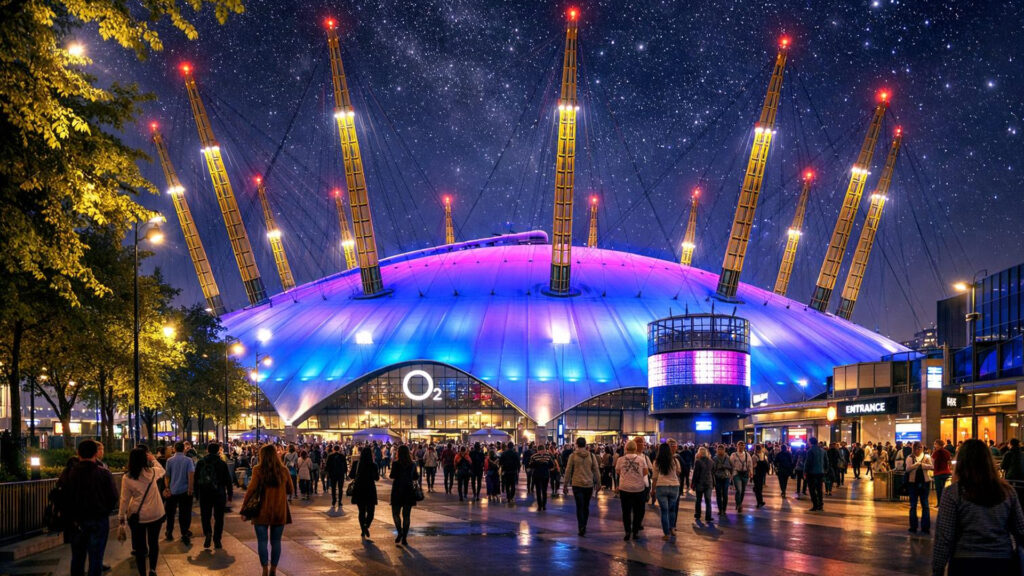
Voice in a Million, One Message
At its core, Voice in a Million has always been about unity. Not uniformity, but togetherness. It proves that when individual voices come together, they can create something extraordinary.
What began as a solution to one of the fifty empty nights, became a movement. What started with one family’s adoption journey grew into a platform that has touched countless lives. And what continues, year after year, is a simple but profound truth: children, when given the chance, can lead the way.
The legacy of Voice in a Million is not measured solely in ticket sales or applause. It lives on in the confidence of a child who dared to sing. In the awareness sparked in an audience member. In the families formed, supported, and celebrated.
And above all, it lives in the sound of thousands of young voices rising together — reminding us that hope, when shared, becomes impossible to ignore.
Following our first successful screening of The Story of Voice in a Million to a limited audience.