

There are few people less likely to become a public-health campaigner than Jeremy Clarkson.
This is, after all, a man whose television career has been built on speed, excess, questionable decision-making, and a longstanding belief that rules are mostly for other people. If doctors were ever looking for a celebrity ambassador to promote sensible living, Clarkson probably wouldn’t make the shortlist.
And yet, thanks to the latest episodes of Clarkson’s Farm on Prime Video, that’s exactly what seems to have happened.
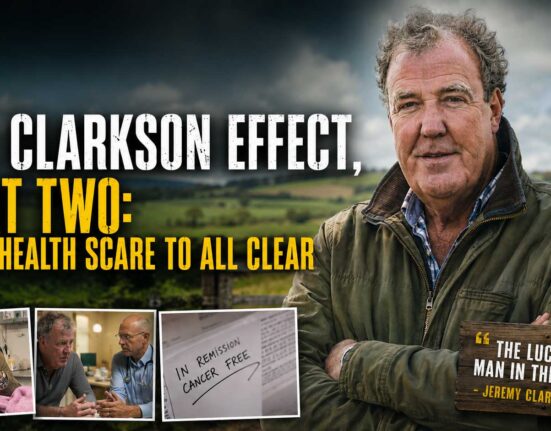
The newest season of Amazon’s runaway hit farming series took an unexpectedly serious turn when Clarkson discussed the health scare that led to him undergoing a heart procedure. Viewers expecting the usual mix of agricultural disasters, planning disputes, Kaleb Cooper’s exasperation, and livestock-related chaos instead found themselves watching one of Britain’s most recognisable television personalities confront his own mortality.
The result was one of the most talked-about moments in recent streaming television.
It’s also a reminder of something broadcasters, streamers, and health experts have known for years: people often pay more attention to a television programme than they do to a public-information campaign.
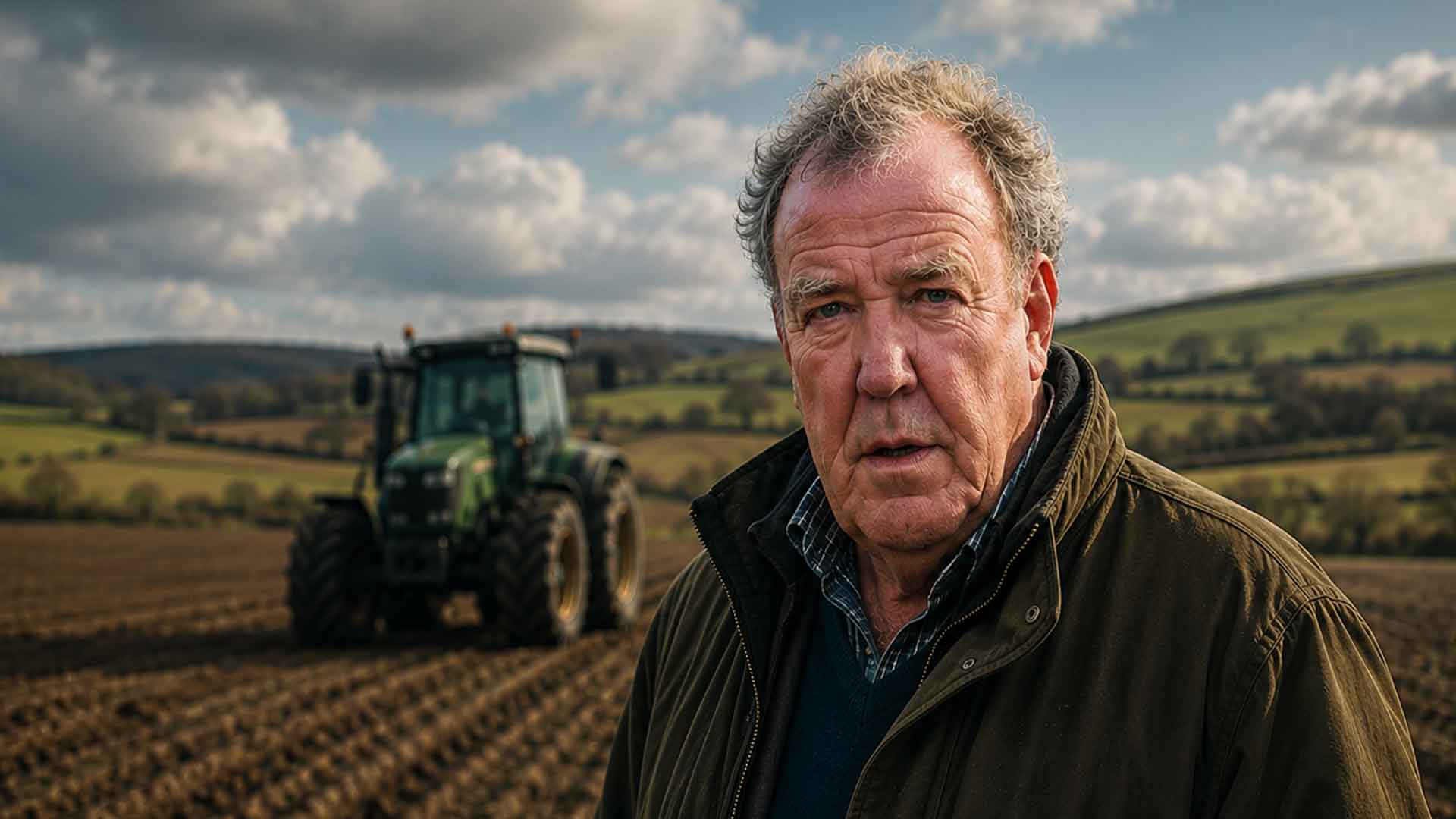
For four seasons, Clarkson’s Farm has quietly become one of streaming’s most unlikely success stories. What began as a fish-out-of-water reality show about a former motoring journalist trying—and frequently failing—to run a farm has evolved into something far richer. The programme has earned praise for highlighting the realities of modern farming, introducing audiences to rural issues they might otherwise never encounter, and creating a cast of supporting characters who have become household names in their own right.
But perhaps its greatest strength is its authenticity.
Unlike many reality programmes, Clarkson’s Farm rarely feels manufactured. When things go wrong, they genuinely go wrong. When Clarkson appears frustrated, exhausted, or overwhelmed, audiences believe him. That authenticity made the health storyline particularly powerful. Television viewers are accustomed to celebrity health disclosures being carefully managed, polished, and packaged. Publicists are involved. Statements are issued. Exclusive interviews are arranged. Clarkson’s approach felt very different.
Instead of a glossy magazine feature, audiences watched the issue unfold within the messy, chaotic world they have come to know through the show. The result felt less like a celebrity announcement and more like a conversation.And judging by the reaction, it resonated. Social media quickly filled with viewers discussing the episode, sharing their own experiences, and encouraging friends and family members to pay closer attention to their health. Healthcare professionals also noted a renewed public conversation around cardiovascular risk factors and preventative checks.
The phenomenon isn’t entirely new.
Medical dramas have long influenced public awareness of health issues. Storylines in popular television series have previously led to increased screening appointments, greater understanding of specific conditions, and spikes in online searches related to symptoms and treatments. What’s unusual is seeing that effect emerge from a programme that is, at least in theory, about farming.Then again, Clarkson’s Farm stopped being “just a farming show” a long time ago. It has become a programme about work, family, community, ageing, resilience, and the uncomfortable reality that nobody—not even Jeremy Clarkson—is invincible. That may explain why the health storyline landed so effectively.
Clarkson has spent decades cultivating an image of near-indestructibility. Whether driving across deserts, testing absurd machinery, or battling local council planning regulations, he has always projected the confidence of someone who assumes things will somehow work out.
Watching that confidence interrupted by genuine vulnerability was startling. Not because it was dramatic. Because it was relatable.
Most viewers don’t see themselves in Hollywood superheroes. They don’t see themselves in billionaire entrepreneurs or social-media influencers either. But they do recognise the tendency to postpone appointments, ignore symptoms, promise they’ll “get it checked next week,” and assume that serious health problems happen to other people. The uncomfortable truth, as Clarkson’s experience demonstrated, is that they don’t. Perhaps that’s why the episode generated such a strong reaction.
Beneath the humour, the tractors, the sheep, the weather disasters, and the endless arguments, Clarkson’s Farm occasionally reminds viewers of something important: life is unpredictable. One moment you’re debating crop yields. The next you’re sitting in a hospital discussing your heart.
It’s not exactly the storyline Amazon’s commissioning team would have highlighted in a pitch document. Yet it may end up being one of the most significant moments the series has produced. Streaming platforms spend billions chasing cultural impact. They launch fantasy epics, prestige dramas, and celebrity documentaries hoping to create the next national conversation. Meanwhile, one of the year’s most meaningful discussions emerged from a farming programme featuring muddy fields, broken machinery, and a man who once made a career out of ignoring sensible advice.
Only Jeremy Clarkson could accidentally turn a health check into must-watch television. And only Clarkson’s Farm could make audiences laugh, worry, and book a doctor’s appointment—all in the same episode.